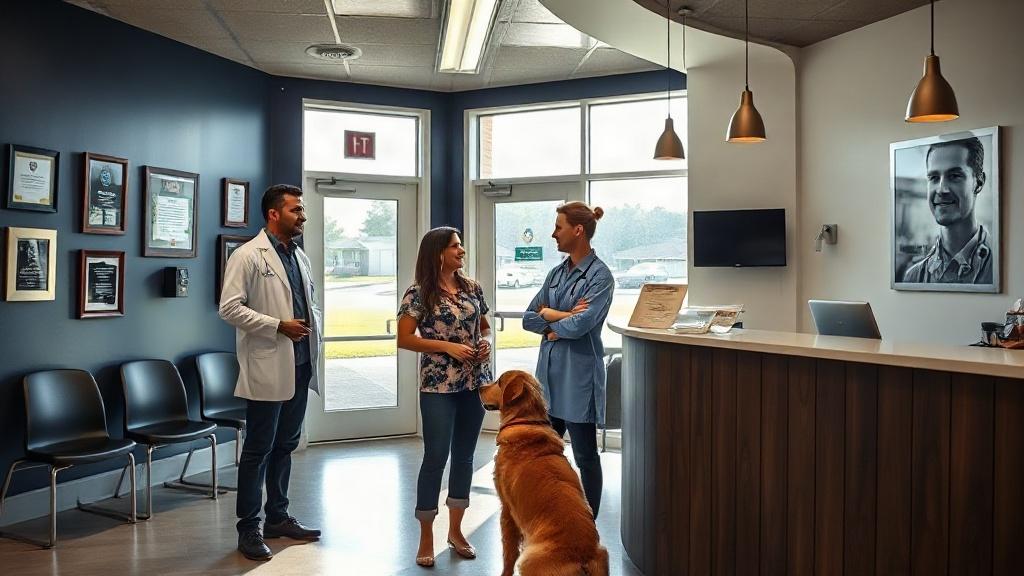
Most veterinary clinics provide excellent care and still struggle to grow. That gap is almost always a marketing problem. Bold Thinkers Group works with clinics across Florida to close it — with strategy built on data, not guesswork.
Why Most Veterinary Clinic Marketing Plans Fail
A marketing plan for a veterinary clinic fails for one of three reasons: it was built once and never updated, it chases tactics instead of outcomes, or it ignores how pet owners actually search for care.
According to AVMA's 2022 Pet Ownership Survey, approximately 57% of U.S. households own at least one pet. That is a large addressable market — but only if your clinic shows up where those owners look.
In Tampa Bay, the competition is real. Hillsborough and Pinellas counties both have dense veterinary markets, and independent clinics routinely lose new clients to corporate chains that spend aggressively on Google Ads and local SEO.
Your clinic needs a structured marketing plan. Not a social media calendar. A plan.
The Foundation: Local Search Visibility
Pet owners in Tampa, St. Petersburg, and surrounding areas start their search online. They type "vet near me" or "emergency animal hospital Pinellas" and choose from the top 3 results. If you are not there, you do not get the call.
Google Business Profile Optimization
Your Google Business Profile is typically the first thing a local pet owner sees. Fill every field — hours, services, photos, and responses to reviews. Google research shows that businesses with complete profiles are 70% more likely to attract location visits than those with incomplete listings.
Keep your hours current. One wrong hour costs you a client who drove 20 minutes to find a locked door.
Local SEO Basics for FL Clinics
Your clinic's website needs pages targeting specific service areas. If you serve Carrollwood, Temple Terrace, or Largo, those location names should appear in your page titles, headers, and body content.
HubSpot research shows that 46% of all Google searches have local intent. Your site either captures that traffic or it does not. There is no middle ground.
Build citations consistently across directories — Yelp, Vet Street, and local FL business listings. Inconsistent name, address, and phone data across directories suppresses your local search rankings.
For a deeper look at how paid search fits into your local strategy, see Maximizing ROI With Effective PPC Strategies For Small Business And Local Markets.
Paid Advertising: When Organic Is Not Enough
Organic search takes time — typically 4 to 6 months before meaningful traffic shifts. Paid advertising fills the gap on day one.
Google Ads for Veterinary Clinics
A well-structured Google Ads campaign for a veterinary clinic in Tampa Bay typically targets keywords like "dog vet Tampa," "cat spay Pinellas," or "wellness exam Hillsborough." These are high-intent searches from people who need a clinic now.
Average cost-per-click for veterinary keywords in competitive FL markets can range from $3.00 to $8.50 per click, depending on service type and competition level. Emergency and specialty keywords run higher — sometimes $12.00 or more per click.
The goal is not cheap clicks. The goal is a low cost per booked appointment. With the right landing page and campaign structure, clinics can see cost-per-conversion in the range of $15 to $40 per new client — well below the lifetime value of a loyal pet owner.
Bold Thinkers Group has delivered an 18.7x return on ad spend for a veterinary client using this exact approach.
Meta Ads for Client Retention and Awareness
Meta platforms — Facebook and Instagram — work differently than Google. Pet owners on Meta are not actively searching. You are interrupting their scroll. That means your creative has to earn attention in the first 2 to 3 seconds.
Use video. Before-and-after wellness shots, staff introductions, and client pet features all perform well. For strategic guidance on using social analytics to refine what you post and promote, Harnessing Social Media Analytics To Propel Small Business Growth is worth your time.
Social Media: Content That Builds Trust
The American Animal Hospital Association (AAHA) consistently notes that client education drives compliance. When pet owners understand why a procedure matters, they follow through. Social media is your education channel.
Post content that answers real questions: vaccine schedules, signs of heartworm, what to expect after a spay. Educational posts build trust without feeling like advertising.
For veterinary-specific social strategy, see Social Media's Role In Shaping Veterinary Sales and Unlock The Secrets Of Veterinary Social Media Engagement.
Posting Frequency and Platform Priority
- Facebook: 3 to 4 posts per week, mixing education and clinic culture
- Instagram: 4 to 5 posts per week, heavy on visuals — photos and short video
- Google Business Profile: 1 to 2 posts per week to signal activity to search algorithms
Do not spread your team thin across every platform. Pick two and do them well. For planning content at scale, Mastering Social Media Content Planning For Success walks through a repeatable framework.
Steps to Take: Building Your Veterinary Clinic Marketing Plan
Here is a structured sequence to follow:
- Audit your current digital presence. Check your Google Business Profile, website load speed, and local citation consistency. Fix what is broken before you spend on advertising.
- Set a monthly marketing budget with clear allocation. Typically, a clinic investing $2,000 to $3,500 per month should split roughly 50% to paid search, 25% to social, and 25% to content and local SEO.
- Build service-specific landing pages. One page for wellness exams, one for dental cleanings, one for emergency services — each targeting a specific FL location.
- Launch a Google Ads campaign for your highest-revenue services. Track calls and form fills, not just clicks.
- Review and adjust every 30 days. Marketing that is not measured is just spending.
For conversion-focused web design that supports this plan, see Bold Thinkers Group's web design services.
Retention Marketing: Keeping the Clients You Already Have
Acquiring a new client costs significantly more than retaining an existing one. According to AVMA practice data, the client-patient relationship depends on regular contact — not just annual visits.
Automated Reminders and Follow-Up
Email and SMS reminders for annual exams, vaccine boosters, and flea/tick prevention due dates keep your schedule full without additional ad spend. Most practice management systems support this natively. If yours does not, a 30-day setup investment in automation can save 10 to 15 hours per month in front-desk follow-up calls.
For a look at how AI-powered tools can automate client follow-up without sacrificing the personal touch, see From Chaos To Efficiency Harnessing The Power Of Smart Paws In Your Vet Clinic.
Loyalty and Wellness Plans
Wellness plan subscribers visit 2 to 3 times more per year than non-subscribers, based on industry patterns across multi-location practices. Monthly payment plans remove the sticker shock of annual care and build predictable revenue for the clinic.
Measuring What Actually Matters
Vanity metrics — social media followers, page views — do not pay your staff. These are the numbers that matter:
- New client acquisition cost (total marketing spend ÷ new clients)
- Client retention rate (aim for 70% or higher year-over-year)
- Appointment booking conversion rate from website visits
- Revenue per client per year across your active patient base
SEMrush and Ahrefs both offer keyword tracking tools that let you monitor your local search rankings over time without paying an agency to run the reports for you. Set a monthly review cadence and track movement against your top 10 target keywords.
Frequently Asked Questions
Question: How much should a veterinary clinic spend on marketing per month?
Answer: Most independent clinics in competitive markets like Tampa Bay typically invest $1,500 to $4,000 per month in active marketing, depending on clinic size and growth goals. A practice targeting rapid new-client acquisition may spend more in the first 6 months, then scale back as organic channels mature.
Question: What is the fastest way to get new veterinary clients?
Answer: Paid search advertising on Google is typically the fastest channel. A well-structured campaign targeting high-intent local keywords can generate booked appointments within the first 7 to 14 days of launch.
Question: How does a hillside veterinary clinic marketing plan differ from a metro clinic's approach?
Answer: Location affects keyword strategy and competition level, but the core framework stays the same — local SEO, paid search, social content, and retention automation. A hillside or suburban clinic may have lower competition for geographic keywords, which can reduce cost-per-click by 20% to 40% compared to dense urban markets.
Question: Should a veterinary clinic use social media or paid ads first?
Answer: Start with paid search to generate immediate appointments, then build social media in parallel for brand awareness and client retention. Relying solely on organic social to drive new clients is slow — it may take 6 to 12 months to see meaningful new-client traffic from social alone.