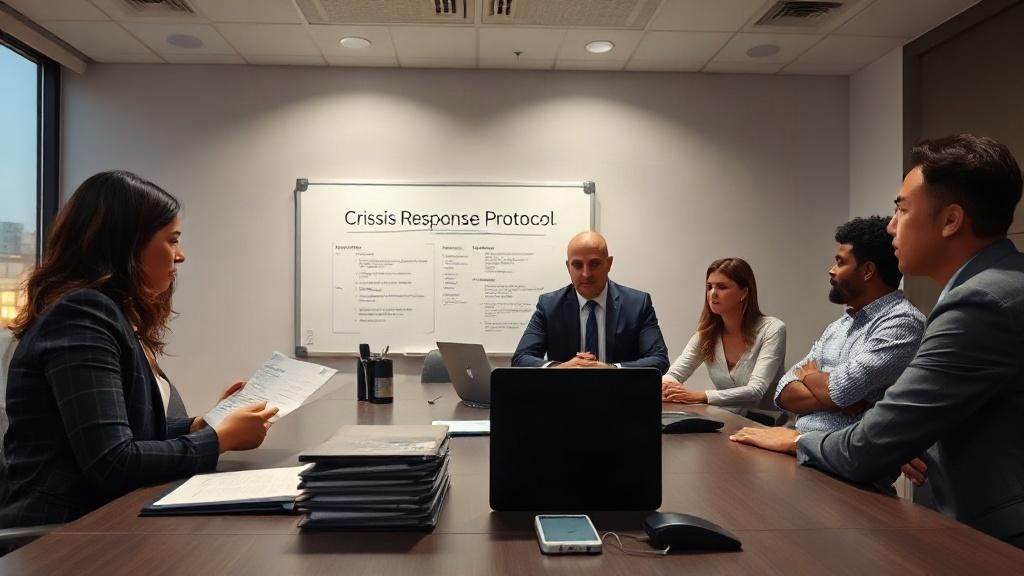
Most nonprofits operate with lean staff and zero tolerance for reputational damage. When a crisis hits — a financial scandal, a program failure, a social media firestorm — the organizations without a written crisis communication plan are the ones that fall apart publicly. Bold Thinkers Group has worked through 50+ crisis engagements, and the pattern is consistent: preparation decides outcomes, not talent.
Why Nonprofits Face Higher Reputational Risk
Nonprofits operate on trust. Every donor, volunteer, and grant-making institution is betting on your integrity. One bad news cycle can erase years of relationship-building.
HubSpot research shows that 81% of consumers say trust in an organization drives their loyalty decisions. For nonprofits, that number may be even more critical — because your "customers" are giving money without a product in return.
In Tampa Bay, organizations in Hillsborough County and Pinellas County face added scrutiny. Local media in Tampa and St. Petersburg actively covers nonprofit accountability stories. A crisis without a plan becomes a crisis with a microphone pointed at an unprepared spokesperson.
The stakes are real. Florida nonprofits file under Chapter 617 of state statute and face public records obligations that can accelerate media exposure during a crisis. Your plan must account for legal timelines, not just PR instinct.
What Belongs in a Nonprofit Crisis Communication Plan
A solid plan is a working document — not a 40-page binder no one reads. Here's what it must include:
- A defined crisis threshold. What counts as a crisis? Staff misconduct, data breach, program harm, financial irregularity, or a board-level conflict all qualify. Define it before you need to.
- A spokesperson chain. Name 1 primary spokesperson and 1 backup. Train both. Do not let a crisis decide who speaks first.
- Core message templates. Draft 3–5 holding statements in advance. These are not final responses — they are 48-hour bridges that buy your team time.
- A channel matrix. Know in advance whether you are responding via email, press release, social media, or all three — and in what order.
- A stakeholder contact list. Donors, board members, major funders, and key media contacts should be reachable within 2 hours of a crisis breaking.
FEMA's Public Information Officer guidelines recommend activating communications within the first 60 minutes of a known incident. For nonprofits, that clock starts the moment a journalist calls or a social post goes public.
Example of a Crisis Communication Plan in Action
Here's a real-world example of a crisis communication plan structure that works for a mid-size nonprofit.
Scenario: A social media post alleges a program director misused funds. It's gaining traction on Facebook and Instagram.
Step 1 — Activate within 30 minutes. The Executive Director notifies the board chair. The communications lead pulls the spokesperson and legal contact.
Step 2 — Issue a holding statement within 60 minutes. Something direct: "We take all concerns about financial stewardship seriously. We are reviewing this matter immediately and will share findings with our community."
Step 3 — Internal briefing within 2 hours. Staff hears the message before the public does. Silence inside your organization creates leaks.
Step 4 — Full response within 24–48 hours. After facts are gathered, issue a clear statement. If wrongdoing occurred, own it. If the allegation is false, say so with evidence.
Step 5 — Follow-up communications at 72 hours and 7 days. A one-time response rarely closes a crisis. Your donors need to hear from you more than once.
This example of a crisis communication plan isn't theoretical. Variations of this sequence have protected nonprofits, fire service agencies, and government entities across Florida when the pressure was real.
Steps to Take: Building Your Plan Before a Crisis Hits
Start here. These are the 5 concrete actions your organization needs to take now — not after the next crisis.
-
Conduct a risk audit. List every scenario that could create negative press or donor concern. Score each by likelihood and impact. This takes 2–3 hours with your leadership team.
-
Write your holding statements. Draft 3 statements for your top-risk scenarios. Keep them under 75 words each. Review them with legal counsel before filing them in your plan.
-
Train your spokesperson. A 4-hour media interview training session reduces costly on-camera mistakes. Practice bridging, deflecting hostile questions, and staying on message under pressure. Our crisis communications planning process includes this step.
-
Set up a crisis monitoring system. Google Alerts on your organization's name costs $0. A social listening tool costs $50–$300 per month. Either way, you need to know what's being said before it becomes a headline.
-
Schedule an annual plan review. A plan written in 2022 and never updated is a liability. Review it every 12 months. Update contacts, scenarios, and message templates each cycle.
Social Media's Role in Nonprofit Crisis Response
A crisis in 2025 moves on social media first. Meta platforms — Facebook and Instagram — are where nonprofit crises often ignite. Mastering your social response is not optional.
Pew Research Center reports that more than 50% of U.S. adults get news from social media at least sometimes. For Tampa Bay nonprofits, that means a local allegation can reach 100,000+ people within 6 hours without a single news outlet covering it.
Your social media crisis protocol should include:
- A decision tree for when to respond publicly vs. privately
- Pre-approved response language for the first 2 hours
- A rule about who has posting authority during a crisis (never more than 2 people)
For more on managing your digital footprint before and during a crisis, see our post on Harnessing Social Media Analytics To Propel Small Business Growth — the same principles apply to nonprofit reputation management.
Connecting Crisis Plans to Community Trust
The best crisis plans don't just manage damage — they rebuild trust faster. That requires your organization to have established credibility before a crisis occurs.
Public-facing content, consistent community engagement, and transparent donor communications are your baseline. When you have that foundation, a crisis becomes a test you can pass. Without it, even a minor incident feels catastrophic.
Organizations in the fire service and law enforcement space have long understood this. The principles transfer directly to nonprofits. See how proactive community presence reduces crisis severity in our post on Fire Department Community Outreach That Builds Trust and What Makes Effective Fire Department Engagement Strategies.
For nonprofits in St. Petersburg and the broader Pinellas County area, where community ties are strong and local media coverage is active, trust built before a crisis is worth more than any statement issued after one.
Frequently Asked Questions
Question: How long does it take to build a nonprofit crisis communication plan?
Answer: A basic plan with holding statements, a spokesperson chain, and a stakeholder contact list typically takes 8–12 hours of focused work across your leadership team. A fully tested plan — one that includes media training and tabletop exercises — may require 20–30 hours over 4–6 weeks.
Question: What is a holding statement and when should we use it?
Answer: A holding statement is a brief, 2–4 sentence response issued within the first 60 minutes of a crisis. It signals that your organization is aware of the issue and responding — without committing to facts you haven't confirmed. It buys your team 24–48 hours to gather accurate information before issuing a full response.
Question: Should a nonprofit hire an outside communications firm for crisis response?
Answer: If your organization lacks a trained spokesperson or a written crisis plan, outside support is worth the investment. A FEMA-certified crisis communications team can activate within hours, manage media inquiries, and protect your board from preventable mistakes. The cost of professional support is almost always lower than the cost of a poorly managed crisis.
Question: How often should we update our crisis communication plan?
Answer: Review and update your plan every 12 months at minimum. Update it immediately after any staff changes, leadership transitions, major program expansions, or any actual crisis event. An outdated contact list alone can cause a 2–4 hour delay in your response — and in a fast-moving crisis, that window closes fast.
Ready to build a crisis communication plan that holds up when pressure is real? Call Bold Thinkers Group at (813) 797-5004 or visit boldthinkersgroup.com to schedule a strategy session with our FEMA-certified crisis communications team.
Reviewed by thinkBOLD | Bold Thinkers Group